
by lloydb
Share
by lloydb
Share
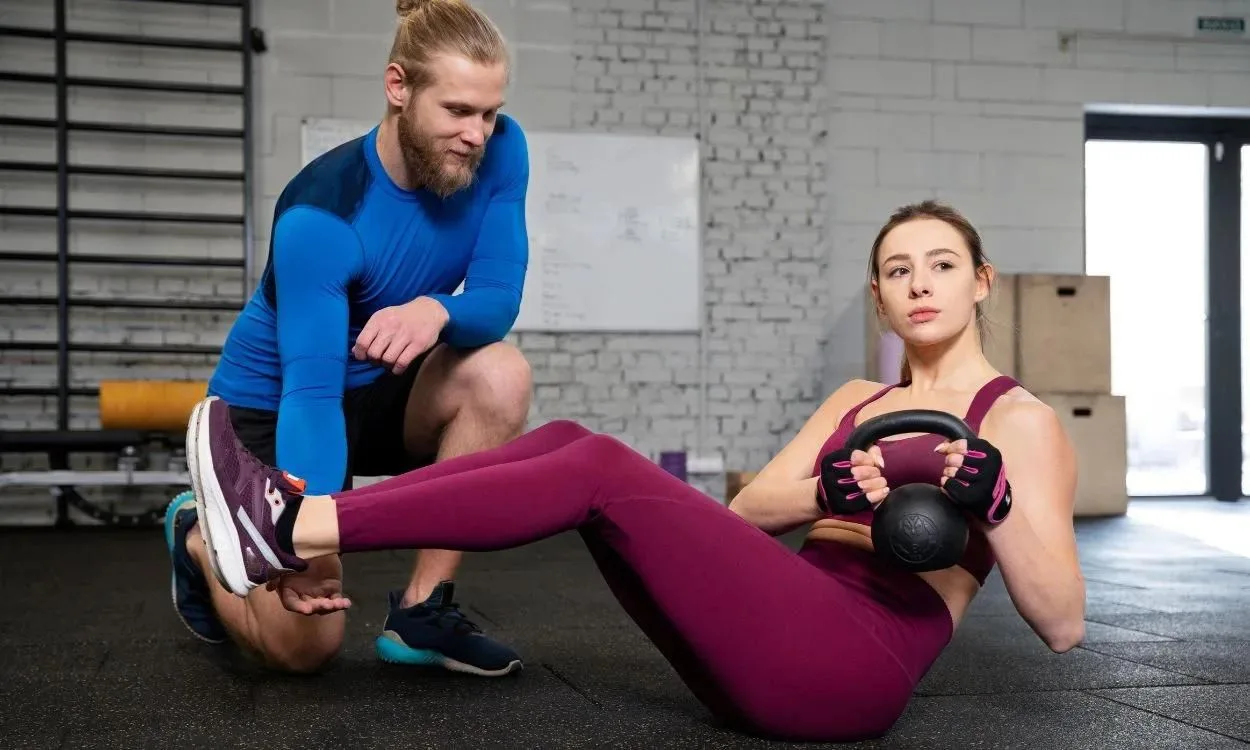
In the world of fitness and physical wellness, understanding functional movement patterns is essential for improving not only athletic performance but also everyday activities. These movement patterns refer to the basic, natural movements your body performs during everyday tasks, like walking, bending, lifting, and reaching. By mastering these movements, you can enhance your physical capabilities, reduce the risk of injury, and increase overall mobility.
In this article, we’ll dive deep into functional movement patterns, explain why they’re important, and discuss how focusing on them can benefit your fitness routine and daily life.
What Are Functional Movement Patterns?
Functional movement patterns are the basic motions that mimic the types of movements we perform in our daily lives, such as squatting down to pick something up, lunging forward to reach an object, or twisting to turn around. These movements engage multiple muscle groups and are typically compound movements, meaning they involve more than one joint or muscle at a time.
In the context of fitness, understanding and improving functional movement patterns allows individuals to strengthen their body in a way that improves their ability to perform day-to-day activities safely and efficiently.
The key functional movement patterns include:
- Squatting: Lowering the body by bending the knees and hips. This pattern is similar to sitting down in a chair or picking something off the floor.
- Lunging: Stepping forward or backward in a controlled movement. It mimics actions like walking or climbing stairs.
- Hinging: Bending at the hips, often with a straight back, used in movements like bending to pick something up or deadlifting.
- Pushing: Pushing motions that occur when lifting or moving objects, such as pushing a door open or lifting something overhead.
- Pulling: Any motion where the body is involved in pulling an object toward you, such as pulling a door handle or using a rowing machine.
- Twisting: Rotational movements that engage the torso, such as turning while carrying an object or reaching across your body to grab something.
Each of these functional movement patterns plays a critical role in both daily life and fitness training.
Why Are Functional Movement Patterns Important?
The primary benefit of focusing on functional movement patterns is their direct application to everyday life. These movements are essential for improving the body’s mobility, flexibility, strength, and coordination.
1. Improved Mobility
By incorporating functional movement patterns into your fitness regimen, you improve your range of motion and flexibility. This makes everyday tasks, such as bending over to tie your shoes or lifting groceries, much easier and more comfortable.
2. Injury Prevention
Focusing on proper technique and strengthening functional movement patterns can significantly reduce the risk of injury. Many injuries occur because of improper movement or overuse of certain body parts. Functional movement patterns emphasize natural and efficient movement, which helps your body stay aligned and reduces the likelihood of strains, sprains, or other injuries.
3. Better Posture and Alignment
Performing functional movement patterns with proper form helps improve posture and body alignment. This is especially important in modern life, where sitting for extended periods can cause poor posture and back pain. Engaging in exercises that mirror functional movement patterns helps to reverse or prevent these issues by strengthening the muscles that support proper posture.
4. Increased Strength
Incorporating functional movement patterns into strength training exercises helps develop muscles in a way that benefits both athletic performance and everyday activities. This type of training focuses on building functional strength that is applicable in real-life scenarios, such as lifting, bending, carrying, and reaching.
Read more : Improve Flexibility, Reduce Pain, and Enhance Movement
How Do Functional Movement Patterns Benefit Your Fitness Routine?
Incorporating functional movement patterns into your workout routine provides a holistic approach to fitness. These exercises mimic the actions we perform daily, which makes them effective in building strength, endurance, and mobility that translates directly into better performance in daily tasks.
1. Full-Body Engagement
Exercises focusing on functional movement patterns often require full-body engagement. For example, squatting requires activation of the core, legs, and lower back, while pushing and pulling exercises engage the upper body and arms. By performing functional movement patterns, you develop overall strength and stability, rather than just focusing on isolated muscle groups.
2. Improved Core Strength
A key component of functional movement patterns is the engagement of the core. The core is responsible for stabilizing your body during various movements, such as bending, lifting, or twisting. Stronger core muscles lead to better posture, increased balance, and enhanced performance in physical activities.
3. Enhanced Coordination
Because functional movement patterns involve multiple muscle groups working together, they improve your coordination and motor control. Practicing these movements helps you become more aware of how your body moves, allowing you to execute physical tasks more efficiently.
4. Versatility
Workouts that focus on functional movement patterns can be tailored to all fitness levels and goals. Whether you’re aiming to increase strength, improve flexibility, or enhance cardiovascular endurance, you can design exercises that incorporate various functional movements. These versatile workouts can help you stay engaged and challenged, no matter your fitness goals.
How Can You Improve Your Functional Movement Patterns?
Improving your functional movement patterns requires consistent practice, proper form, and the right exercises. Here are some tips to help you enhance these patterns:
1. Start with the Basics
Focus on mastering the fundamental functional movement patterns, like squatting, lunging, pushing, and pulling. Begin with bodyweight exercises to ensure you’re performing the movements with the correct form, then gradually progress to more complex exercises using weights or resistance bands.
2. Use Mobility Exercises
Incorporating mobility exercises can help improve the range of motion in your joints and muscles. Working on your flexibility and mobility will allow you to perform functional movement patterns more effectively and with greater ease.
3. Train with Purpose
Incorporate functional movement patterns into your workouts with a purpose. For example, focus on squats and lunges for lower-body strength and mobility or use pulling and pushing movements to build upper-body strength and coordination.
4. Focus on Core Stability
Core stability is critical for performing functional movement patterns efficiently. Include exercises that target the core, such as planks, dead bugs, and Russian twists, to strengthen the muscles responsible for stabilizing your body during movement.
Conclusion
Understanding and improving functional movement patterns is essential for achieving overall fitness and enhancing your daily life. These movements engage multiple muscle groups, improve coordination, reduce injury risk, and help you develop strength that’s applicable in real-world activities.
If you’re looking to improve your functional movement patterns, start with the basics and gradually build your strength and mobility through consistent training. Focus on full-body engagement, core stability, and mobility exercises to see the best results. For those interested in taking their fitness to the next level, visit crossfit golden valkyrie . Our expert coaches will guide you through functional movement patterns that will transform your fitness and improve your everyday life.
FAQs
What are some examples of functional movements?
Common examples include squatting, lunging, pushing, pulling, and twisting. These movements mimic everyday tasks and help improve overall strength and coordination.
Can functional movement patterns help with injury prevention?
Yes! By focusing on proper form and improving the efficiency of your movements, functional movement patterns reduce the risk of injury and ensure your body works more effectively.
How often should I practice functional movements?
Consistency is key. Practice functional movement patterns 2-3 times a week to see improvement in your strength, mobility, and overall fitness.
STAY IN THE LOOP
Subscribe to our free newsletter.
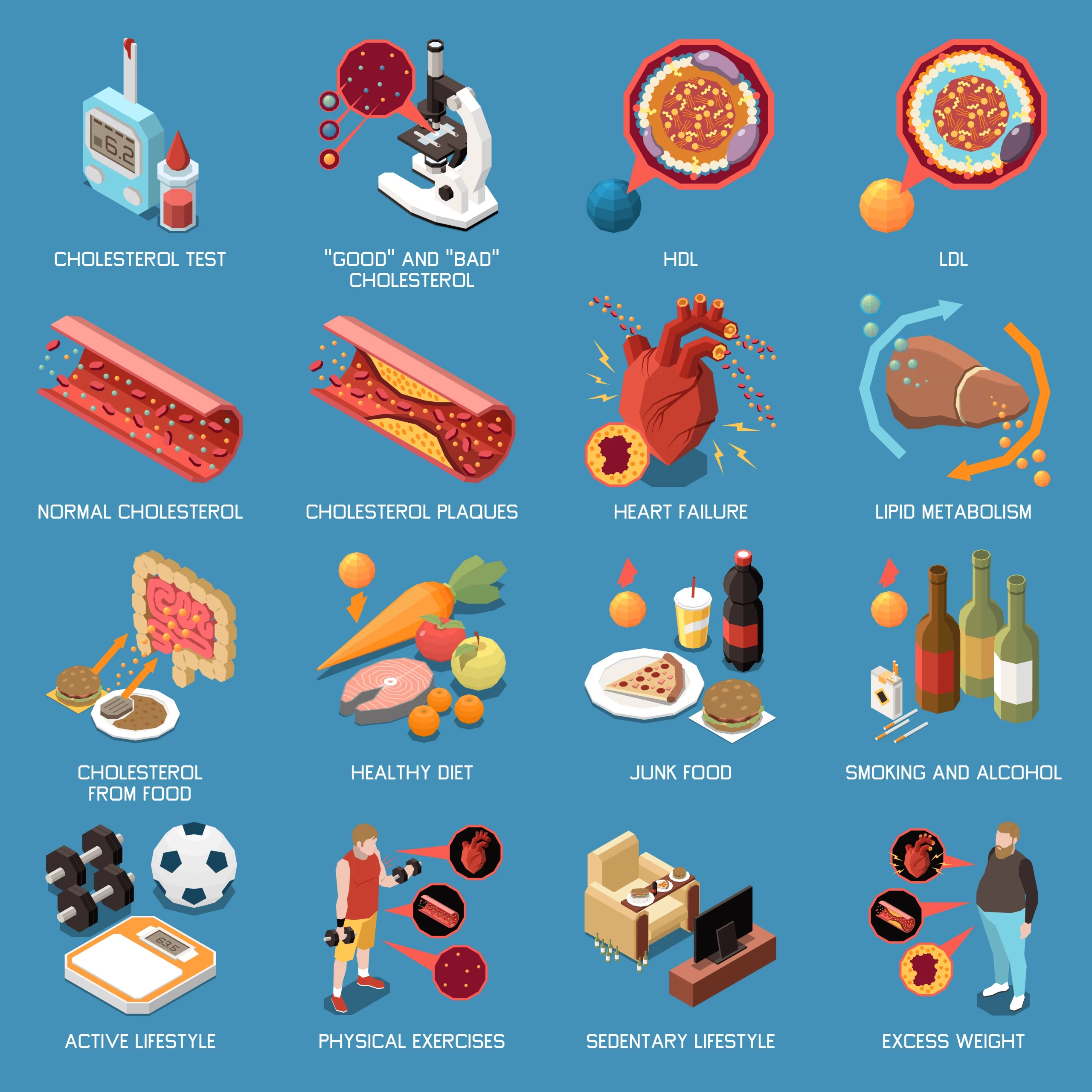
Cholesterol is a major factor in heart health, and managing its levels is essential for preventing cardiovascular diseases. One of the most effective ways to manage cholesterol is by incorporating exercises to lower cholesterol into your daily routine. These exercises help to raise good cholesterol (HDL) and lower bad cholesterol (LDL), improving overall heart health.
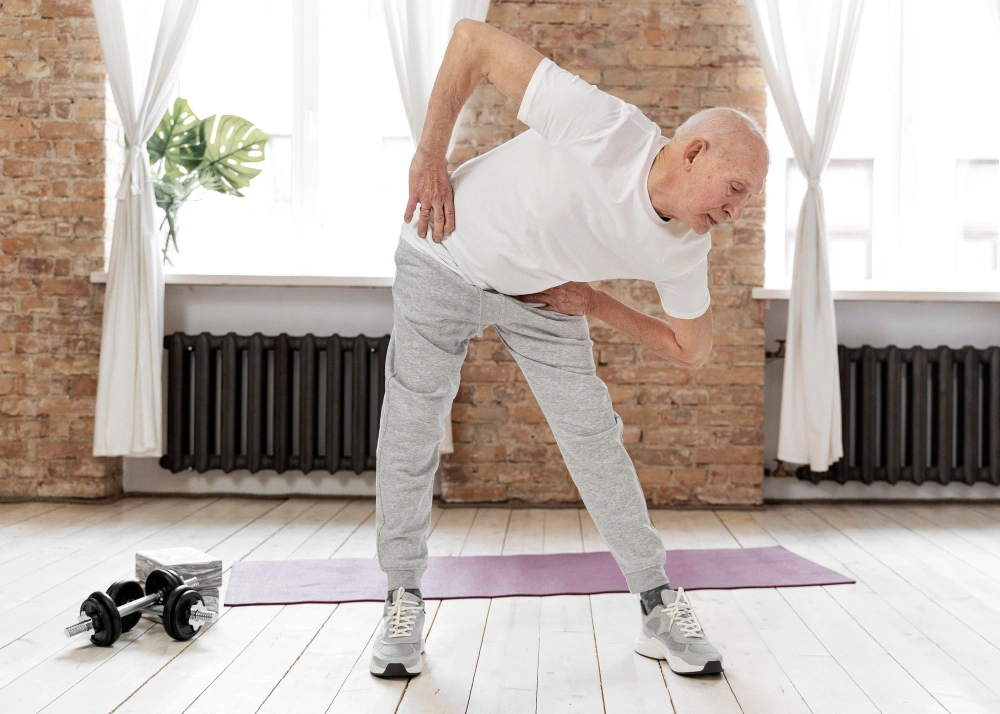
Arthritis can significantly impact mobility, making simple daily tasks feel challenging. But the good news is that regular exercise, particularly strength training, can help manage and even alleviate arthritis symptoms. At CrossFit Golden Valkyrie, we believe that strength training is one of the best ways to manage exercise for your arthritis, helping you live more
Strength training is more than just a way to build muscle or get stronger — it’s a powerful tool that can lead to a significant improvement in quality of life. Whether you’re aiming to feel more energized, reduce stress, or even extend your lifespan, strength training can make a lasting difference in how you feel
The Primal Health Guide offers a simple yet powerful approach to living a longer, stronger, and happier life. Rooted in the ancient practices of our ancestors, the primal lifestyle emphasizes natural movement, nutrient-dense foods, and an overall connection to the earth and our bodies. This guide is not just a fitness plan, but a roadmap