
by lloydb
Share
by lloydb
Share
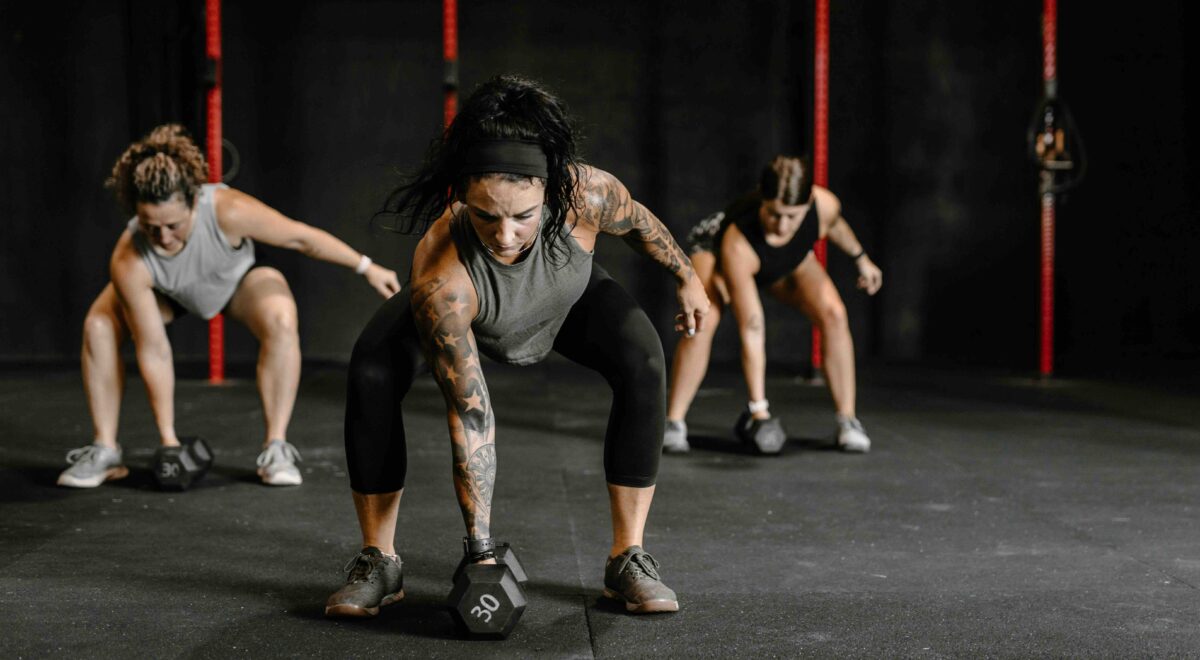
CrossFit is known for its dynamic and varied workouts that combine strength training, cardiovascular exercise, and functional movements. One of the most effective approaches within CrossFit is CrossFit functional training, which focuses on improving the body’s ability to perform real-world movements with strength, stability, and coordination. This type of training builds a solid foundation for functional fitness, enhancing athletic performance and reducing the risk of injury.
At CrossFit Golden Valkyrie, we offer specialized CrossFit functional training programs designed to improve overall fitness by mimicking movements commonly performed in daily life. In this article, we’ll explore the benefits of CrossFit functional training, the exercises that make it effective, and how to incorporate it into your routine for maximum results.
What is CrossFit Functional Training?
CrossFit functional training is a type of workout that focuses on exercises that mimic the movements you perform in daily life. This includes bending, lifting, pushing, pulling, and twisting. Instead of isolating specific muscle groups, functional training works on improving the coordination and efficiency of various muscle groups simultaneously, preparing the body for functional tasks like lifting groceries, running, or climbing stairs.
The main goal of CrossFit functional training is to enhance your body’s ability to perform natural, everyday movements more efficiently and with greater strength. This makes it an excellent choice for anyone looking to improve their overall health and fitness while preparing their body for the physical demands of daily life.
Why CrossFit Functional Training is Important
Incorporating CrossFit functional training into your routine offers numerous benefits, both for performance and injury prevention. Here are some key reasons why this type of training is essential for achieving total-body fitness:
- Improved Full-Body Strength
CrossFit functional training focuses on compound movements that engage multiple muscle groups at once. Exercises like squats, deadlifts, and kettlebell swings target the entire body, improving strength in both large and small muscle groups. This type of training ensures balanced muscle development, leading to better overall strength and stability. - Increased Joint Stability and Mobility
One of the core benefits of CrossFit functional training is its ability to improve joint stability and mobility. Many functional exercises target areas such as the hips, shoulders, and knees, promoting better movement mechanics and reducing the risk of joint injuries. Enhanced mobility also improves the body’s range of motion, making everyday tasks like bending down or reaching overhead easier and safer. - Better Coordination and Balance
CrossFit functional training emphasizes the importance of balance and coordination. Movements like lunges, box jumps, and burpees challenge your ability to stabilize your body, improving coordination between your muscles and joints. As your body becomes more adept at balancing during dynamic movements, you will experience improved control during physical activities, reducing the risk of falls and injuries. - Injury Prevention
By focusing on functional movements, CrossFit functional training helps strengthen the muscles and joints that are most prone to injury. These exercises build muscle stability and improve the body’s ability to absorb impact and prevent strain. Incorporating functional movements into your workout helps to correct muscle imbalances, improve posture, and increase overall stability, which all contribute to reducing the risk of injury during physical activity. - Enhanced Cardiovascular Fitness
CrossFit functional training incorporates high-intensity interval training (HIIT), which combines short bursts of intense exercise with brief recovery periods. This improves cardiovascular fitness by increasing heart rate and promoting better oxygen consumption. A higher cardiovascular endurance level not only improves overall fitness but also contributes to greater energy and stamina throughout the day.
Key Components of CrossFit Functional Training
CrossFit functional training includes a variety of exercises that target multiple muscle groups and enhance overall movement patterns. These exercises are designed to mimic real-world tasks, such as lifting, pushing, pulling, and squatting. Below are the key components that make up effective CrossFit functional training:
1. Strength Training
Strength training is a major component of CrossFit functional training. By incorporating movements like squats, deadlifts, kettlebell swings, and cleans, functional training builds total-body strength and stability. These exercises help improve muscle power, build endurance, and enhance muscle coordination.
2. Cardiovascular Conditioning
Incorporating cardiovascular exercises into CrossFit functional training helps improve endurance and stamina. Running, rowing, cycling, and jumping rope are common cardio-based movements that elevate your heart rate and improve aerobic capacity. Combining strength and cardio in a single workout not only improves cardiovascular fitness but also increases metabolic rate, supporting fat loss and overall health.
3. Mobility and Flexibility
Flexibility and mobility exercises are essential for CrossFit functional training because they improve the range of motion in your muscles and joints. Stretching, yoga, and dynamic mobility exercises target tight muscles and improve joint health. This reduces the risk of injury, helps you perform movements more effectively, and supports faster recovery after intense workouts.
4. Core Stability
Core stability is the foundation of many functional movements, and CrossFit functional training places a strong emphasis on strengthening the muscles of the abdomen, lower back, and pelvis. A strong core helps maintain proper posture, supports the spine during heavy lifting, and stabilizes the body during dynamic movements like running or jumping. Exercises such as planks, Russian twists, and leg raises target the core muscles, improving stability and functional movement.
5. Olympic Lifting
Olympic lifting is a hallmark of CrossFit functional training, involving movements like the clean and jerk and snatch. These lifts build explosive power and total-body strength, enhancing athletic performance in sports and improving functional movement. Olympic lifting engages multiple muscle groups, helping to improve coordination, speed, and strength, which are essential for functional fitness.
Read more: Core Strength Exercises: Build a Solid Foundation for Your Fitness
Effective CrossFit Functional Training Exercises
Here are some of the most effective CrossFit functional training exercises to incorporate into your workout routine:
1. Kettlebell Swings
Kettlebell swings are an excellent full-body exercise that targets the hips, glutes, hamstrings, and core. This explosive movement mimics the action of picking up and swinging an object, making it a great functional movement for building power, endurance, and strength.
How to do it:
- Stand with your feet shoulder-width apart, holding the kettlebell with both hands.
- Hinge at the hips, lowering the kettlebell between your legs.
- Explode through your hips, swinging the kettlebell up to shoulder height.
- Let the kettlebell swing back down and repeat.
2. Box Jumps
Box jumps are a dynamic exercise that improves leg strength, explosive power, and coordination. This functional exercise simulates the movement of jumping over an obstacle and builds agility and balance.
How to do it:
- Stand in front of a sturdy box or platform.
- Bend your knees and jump explosively onto the box, landing with both feet.
- Step back down and repeat.
3. Walking Lunges
Walking lunges target the legs, glutes, and core while improving balance and coordination. This exercise mimics movements like walking and climbing stairs, making it a great functional training exercise.
How to do it:
- Stand with your feet hip-width apart.
- Take a step forward into a lunge, ensuring your knee is aligned with your ankle.
- Push off the front foot to bring your back leg forward into the next lunge.
- Repeat for 10-12 steps per leg.
4. Push-Ups
Push-ups are a staple functional training exercise that engages the chest, shoulders, arms, and core. This bodyweight movement mimics the pressing action used in tasks like pushing objects or getting up from the ground.
How to do it:
- Start in a plank position with your hands placed slightly wider than shoulder-width apart.
- Lower your body to the ground, keeping your back straight and elbows at a 45-degree angle.
- Push through your palms to return to the starting position.
5. Turkish Get-Ups
The Turkish get-up is a challenging functional training exercise that targets the entire body, with a focus on core stability and shoulder mobility. This movement improves coordination and balance while building strength.
How to do it:
- Lie on your back with a kettlebell in one hand, keeping the arm extended straight up.
- Use your free hand to support your body as you rise to a standing position.
- Reverse the movement to return to the starting position and repeat.
How to Incorporate CrossFit Functional Training into Your Routine
Incorporating CrossFit functional training into your fitness routine can significantly improve your strength, mobility, and performance. Here’s how to do it effectively:
- Start with the Basics: If you’re new to CrossFit, begin with foundational movements such as squats, push-ups, and lunges. Focus on proper form and technique before progressing to more advanced exercises.
- Combine Strength and Cardio: For a complete workout, combine CrossFit functional training exercises that focus on both strength and cardiovascular conditioning. High-intensity interval training (HIIT) is a great way to achieve both simultaneously.
- Work on Mobility: Mobility exercises are essential for improving range of motion and reducing the risk of injury. Incorporate dynamic stretching and foam rolling into your routine to improve flexibility and joint health.
- Gradually Increase Intensity: As you gain strength and endurance, gradually increase the intensity of your CrossFit functional training by adding more weight, reps, or advanced movements.
Conclusion
CrossFit functional training is an incredibly effective way to build strength, endurance, flexibility, and mobility. By mimicking real-world movements, CrossFit helps improve your body’s ability to perform everyday tasks with greater efficiency and strength. Whether you’re looking to build muscle, enhance athletic performance, or improve overall fitness, CrossFit functional training provides a comprehensive approach to achieving your goals.
At Cross fit golden valkyrie , we offer CrossFit functional training programs that are designed to help you become stronger, more agile, and more resilient. Our expert trainers will guide you through movements that enhance your overall fitness while ensuring you stay safe and injury-free. Start your CrossFit functional training journey today and unlock your full potential.
FAQs
1. What is the difference between CrossFit functional training and traditional weightlifting?
CrossFit functional training focuses on compound movements that engage multiple muscle groups, while traditional weightlifting often isolates specific muscles. CrossFit also incorporates cardio and mobility work, making it a more well-rounded approach to fitness.
2. Is CrossFit functional training suitable for beginners?
Yes! CrossFit functional training can be scaled to suit any fitness level. Beginners should start with basic exercises and gradually increase intensity as they build strength and confidence.
3. How often should I do CrossFit functional training?
For optimal results, aim for 3-4 CrossFit functional training sessions per week. Ensure you incorporate rest days to allow your body to recover and avoid overtraining.
STAY IN THE LOOP
Subscribe to our free newsletter.
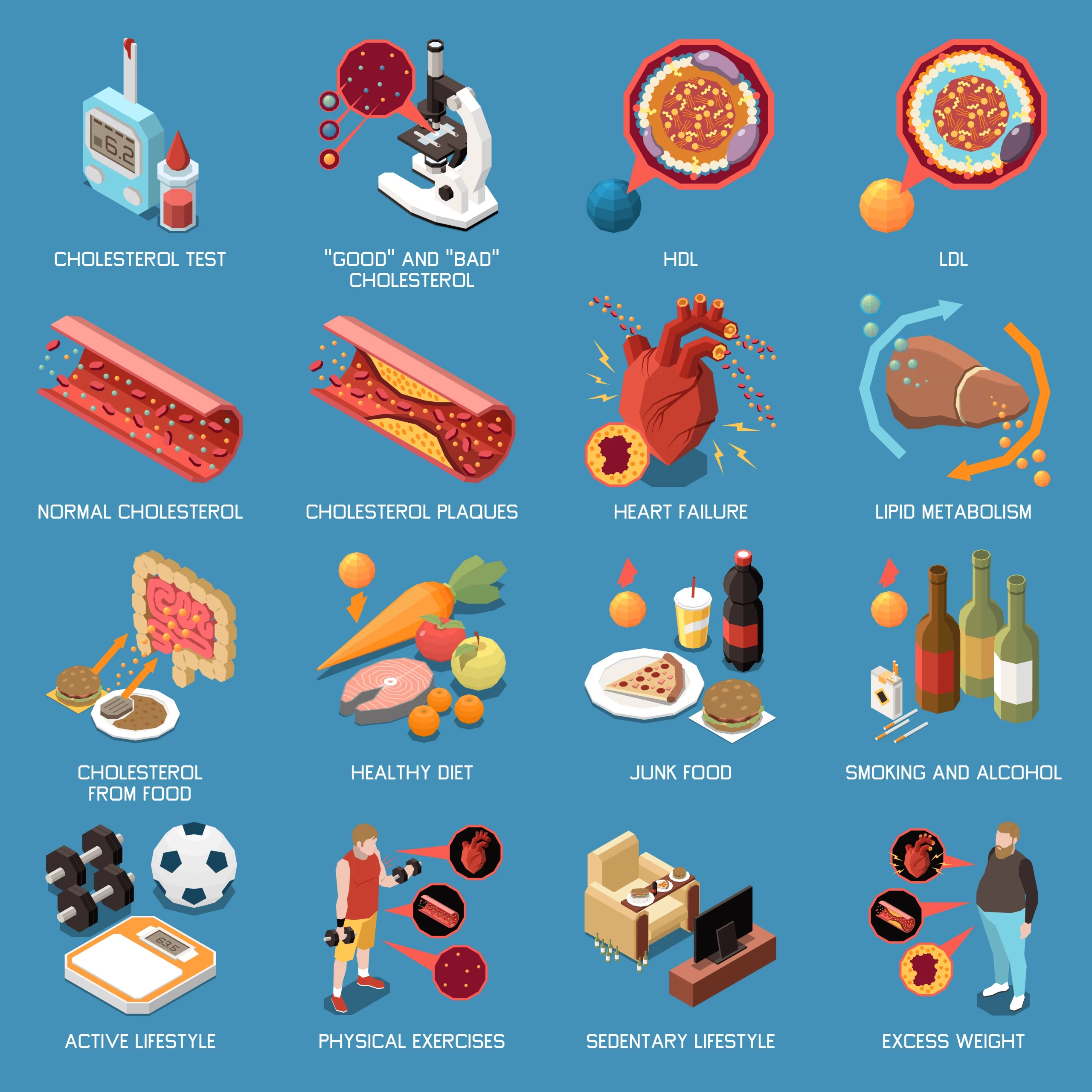
Cholesterol is a major factor in heart health, and managing its levels is essential for preventing cardiovascular diseases. One of the most effective ways to manage cholesterol is by incorporating exercises to lower cholesterol into your daily routine. These exercises help to raise good cholesterol (HDL) and lower bad cholesterol (LDL), improving overall heart health.
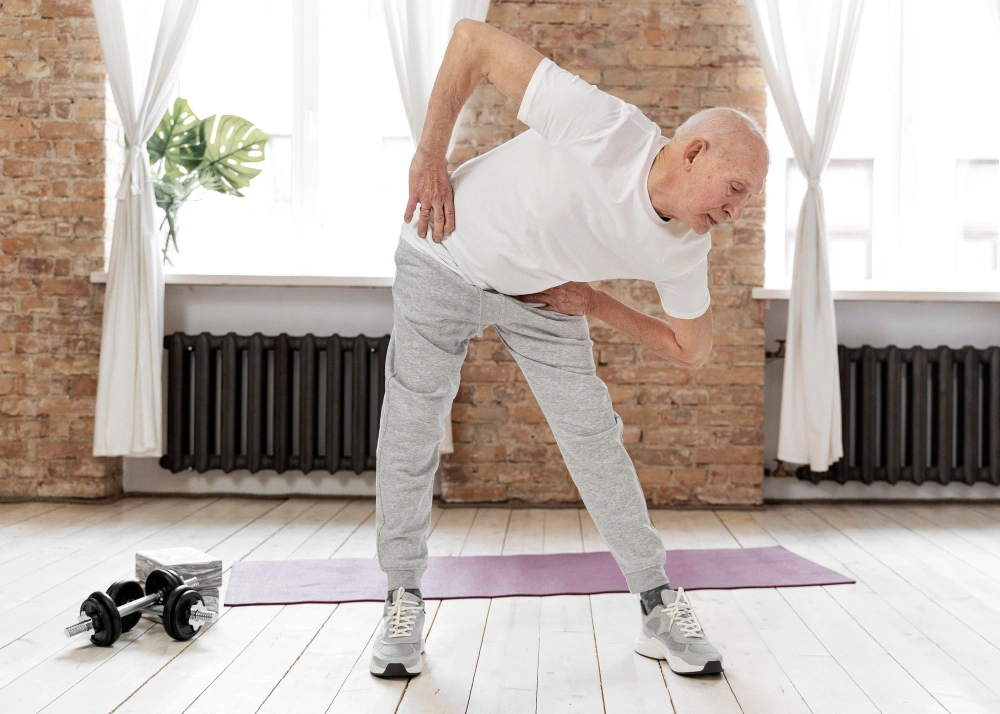
Arthritis can significantly impact mobility, making simple daily tasks feel challenging. But the good news is that regular exercise, particularly strength training, can help manage and even alleviate arthritis symptoms. At CrossFit Golden Valkyrie, we believe that strength training is one of the best ways to manage exercise for your arthritis, helping you live more

Strength training is more than just a way to build muscle or get stronger — it’s a powerful tool that can lead to a significant improvement in quality of life. Whether you’re aiming to feel more energized, reduce stress, or even extend your lifespan, strength training can make a lasting difference in how you feel
The Primal Health Guide offers a simple yet powerful approach to living a longer, stronger, and happier life. Rooted in the ancient practices of our ancestors, the primal lifestyle emphasizes natural movement, nutrient-dense foods, and an overall connection to the earth and our bodies. This guide is not just a fitness plan, but a roadmap