
by Mo Adams
Share
by Mo Adams
Share
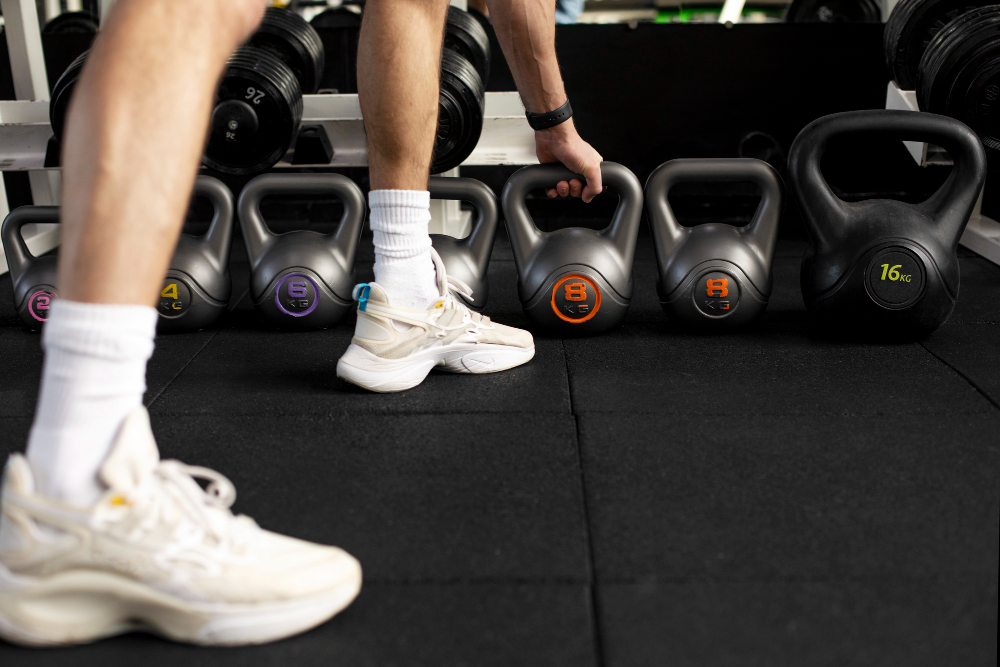
Strength training isn’t just about lifting weights and breaking a sweat; it’s about the immediate responses your body has to the physical stress you put it under. Understanding acute responses to strength training can help you get the most out of each session. These physiological changes, which occur during every workout, are essential for muscle growth, strength, and overall fitness progress. At CrossFit Golden Valkyrie, we believe that the acute responses you experience during training are key to unlocking your true potential. Whether you’re just starting or have been lifting for years, recognizing these responses can help you improve your performance and accelerate your results.
What Are Acute Responses to Strength Training?
Acute responses refer to the immediate physical and hormonal changes your body undergoes during strength training. These responses occur in real-time as you exercise, helping your body adapt to the demands you’re placing on it. From muscle fatigue to increased heart rate, these reactions are essential for the body to recover, rebuild, and ultimately grow stronger. Every time you push yourself during a workout, you trigger these responses, setting the foundation for long-term strength and endurance gains.
Where Can I Find Weight Training Classes with Flexible Schedules?
Common Acute Responses to Strength Training
During a strength training session, your body goes through several noticeable acute responses. One of the most common is muscle fatigue, which occurs when the muscles you’re targeting begin to tire and lose their ability to perform at peak capacity. This fatigue signals that your muscles are being pushed to their limit, which is a crucial step in the muscle growth process. Alongside this, you may experience an increased heart rate. As your body works harder, your heart pumps faster to deliver oxygen to the muscles, ensuring they have the energy needed to keep going. Lactic acid production is another familiar response, leading to that burning sensation in your muscles. While lactic acid has often been misunderstood, it’s actually a byproduct that helps muscles continue functioning under high-intensity conditions. Then, there’s sweating, which helps your body cool down and maintain its temperature. Lastly, hormonal spikes, such as increases in testosterone and growth hormone, are triggered during strength training. These hormones play a vital role in muscle repair and growth, making every session essential for future progress.
Why Acute Responses Matter
The acute responses your body experiences during strength training are crucial to both short-term and long-term results. These responses don’t just help you push through your workout—they’re directly linked to your body’s ability to adapt to and recover from the stress of lifting. As you continue to train, your body learns to better handle these stresses, making you stronger, more enduring, and more capable of lifting heavier weights or performing more reps. The greater the intensity of the acute responses, the more your body adapts, improving performance over time. Every single workout triggers these changes, which accumulate and build on each other, creating long-term benefits that help you achieve your fitness goals.
What Weight Training Equipment Kits Are Recommended for Home Use?
How Strength Training Affects Your Nervous System
While strength training primarily targets muscles, it also has a significant impact on your nervous system. The central nervous system (CNS) is responsible for transmitting signals from the brain to muscles, allowing for movement. Strength training enhances the efficiency of this system, leading to better motor unit recruitment and improved coordination. Over time, your body becomes better at activating muscle fibers, making each lift more efficient. This is why beginners often see rapid improvements in strength early on—while they’re building muscle, they’re also training their nervous system to fire more efficiently.
The Impact of Acute Responses on Recovery
Acute responses don’t stop as soon as you finish your last rep. In fact, they continue to benefit you during the recovery phase. Increased blood flow to your muscles helps deliver the nutrients necessary for muscle repair. Hormonal responses such as the release of growth hormone, assist in rebuilding tissue and promoting muscle growth. During recovery, the body works to repair the microtears caused by your workout, and it’s this repair process that leads to muscle growth. The acute responses you experience during your session lay the groundwork for the recovery and adaptation that occur afterward, leading to better performance in future workouts.
These HIIT Workouts Will Make You Forget Boring Cardio

Why Every Workout Counts
At CrossFit Golden Valkyrie, we emphasize that every workout counts. Each time you step into the gym, your body is responding to the stress you place on it. These responses, no matter how small, have a cumulative effect that leads to significant improvements over time. Whether it’s pushing through a tough workout or adding a few extra reps, each session triggers important acute responses. These reactions not only help you perform better during the workout but also contribute to long-term strength, endurance, and muscle growth. Consistency is key—by making each workout count, you’re ensuring that your body will continue to adapt and grow stronger.
Understanding acute responses to strength training is essential for maximizing your workout results. These immediate physiological changes are the foundation of long-term fitness progress. By recognizing how your body reacts during a workout, you can fine-tune your training to get the most out of each session.
At CrossFit Golden Valkyrie, we guide you through workouts designed to optimize these responses, helping you achieve your fitness goals faster and more efficiently. So, remember, every workout matters. Push yourself, stay consistent, and embrace the physiological responses that help make you stronger!
From Stiff to Strong: Mobility and Flexibility Workouts for Injury Prevention
FAQs
-
How long do acute responses last after a workout?
Acute responses can last from a few minutes to several hours, depending on the intensity and your fitness level. -
Can I improve my acute responses to strength training?
Yes, with consistent training and proper recovery, you can improve how your body reacts to strength training, enhancing performance and gains. -
How do acute responses help with muscle growth?
Acute responses like muscle fatigue and hormonal spikes stimulate muscle repair and growth, contributing to increased strength and muscle mass. -
What’s the role of lactic acid in my workout?
Lactic acid helps provide energy to muscles during high-intensity workouts. While it causes temporary discomfort, it contributes to muscle endurance and performance. -
How does CrossFit Golden Valkyrie incorporate acute responses into workouts?
We design our workouts to push your limits, ensuring your body experiences the optimal acute responses that lead to faster recovery and greater strength gains.
STAY IN THE LOOP
Subscribe to our free newsletter.
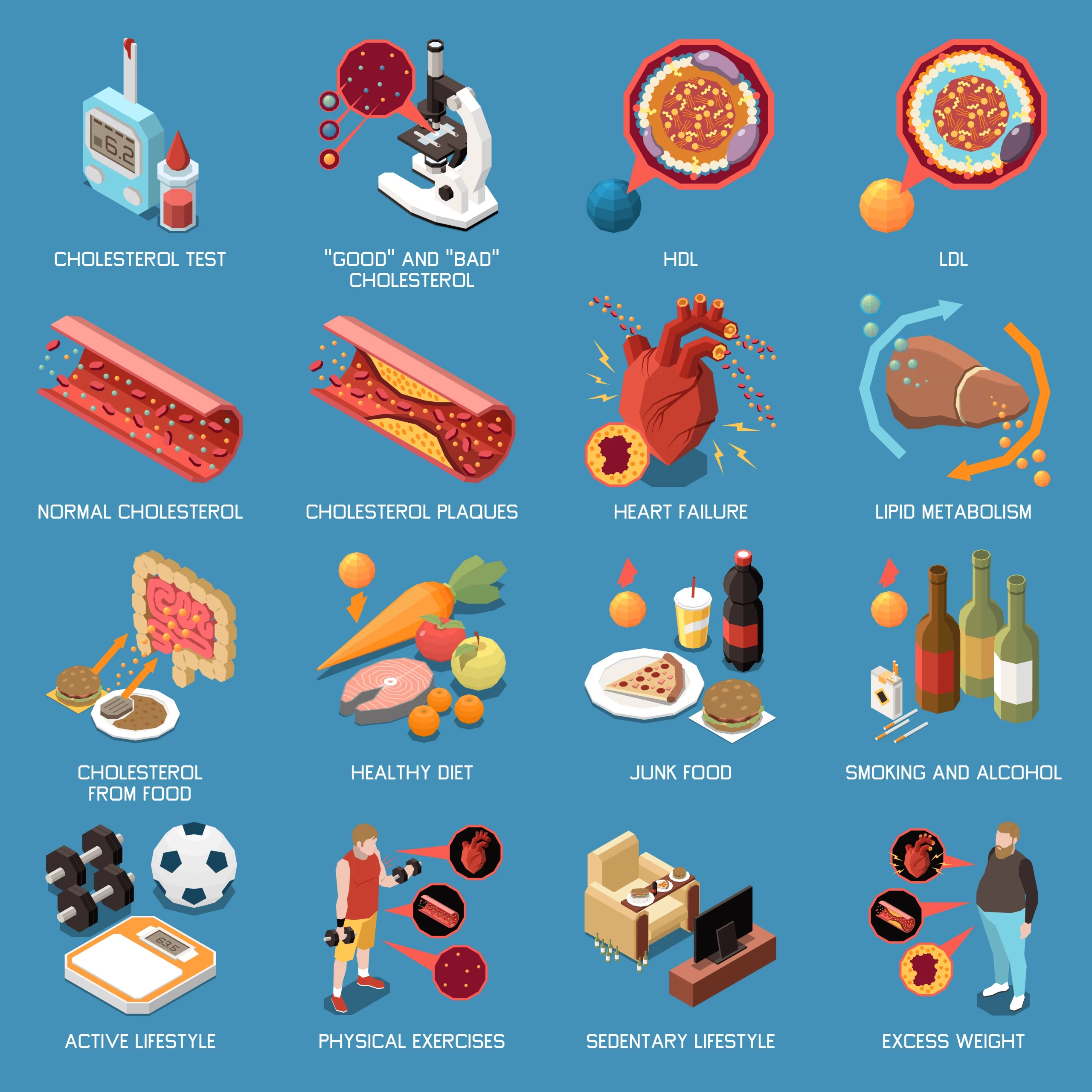
Cholesterol is a major factor in heart health, and managing its levels is essential for preventing cardiovascular diseases. One of the most effective ways to manage cholesterol is by incorporating exercises to lower cholesterol into your daily routine. These exercises help to raise good cholesterol (HDL) and lower bad cholesterol (LDL), improving overall heart health.

Arthritis can significantly impact mobility, making simple daily tasks feel challenging. But the good news is that regular exercise, particularly strength training, can help manage and even alleviate arthritis symptoms. At CrossFit Golden Valkyrie, we believe that strength training is one of the best ways to manage exercise for your arthritis, helping you live more

Strength training is more than just a way to build muscle or get stronger — it’s a powerful tool that can lead to a significant improvement in quality of life. Whether you’re aiming to feel more energized, reduce stress, or even extend your lifespan, strength training can make a lasting difference in how you feel

The Primal Health Guide offers a simple yet powerful approach to living a longer, stronger, and happier life. Rooted in the ancient practices of our ancestors, the primal lifestyle emphasizes natural movement, nutrient-dense foods, and an overall connection to the earth and our bodies. This guide is not just a fitness plan, but a roadmap